


World Brain Day:
Brain Health Summit 2026
We're calling for Australia to develop its first National Brain Health Strategy.
Australia has national strategies for cancer, cardiovascular disease, mental health and dementia, but nothing that brings together prevention, treatment and rehabilitation for brain health.
Brain health has never attracted more public attention. Concussion and CTE have sparked an important national conversation, but they're only one part of the picture. Stroke, dementia, traumatic brain injury, migraine, epilepsy and Parkinson's disease affect millions of Australians every year.
A National Brain Health Strategy would make care more coordinated and easier to navigate. Australia already has excellent clinicians, researchers and consumer organisations. What's missing is a shared national framework that brings those strengths together around common goals and priorities.
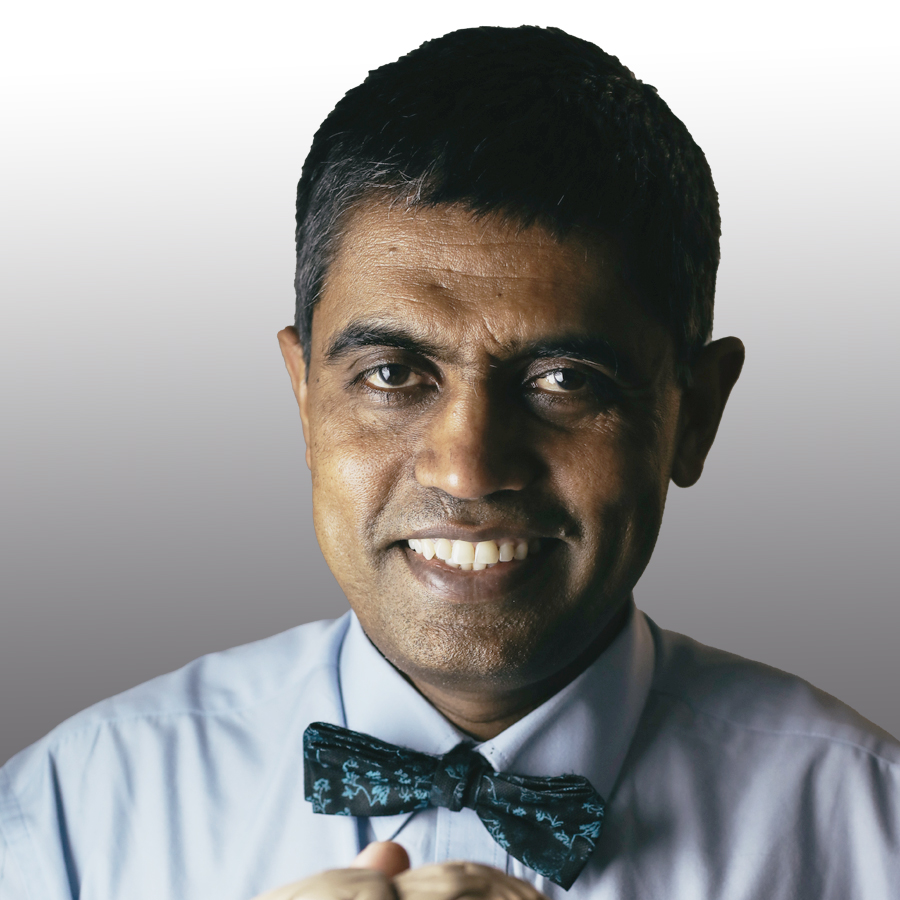
"Every Australian has a brain.
Every Australian deserves a plan to protect it."
Professor Tissa Wijeratne OAM
Senior Neurologist and Chair of the Migraine Foundation, Chair of World Brain Day, and Co-Chair of Australia’s Brain Health Summit
Our Demands
We're calling for practical action. That starts with developing a National Brain Health Strategy that brings together prevention, earlier diagnosis, equitable access to care, rehabilitation, research and lived experience under one national framework.
We're asking the federal government to begin the process. Bring together governments, clinicians, researchers, consumer organisations and people with lived experience to develop Australia's first National Brain Health Strategy.
We're not calling for a funding package today - just for the federal government to make a start. Over time, better prevention and earlier intervention have the potential to improve outcomes and reduce the long-term costs associated with disability and complex care.
“A National Brain Health Strategy would bring prevention, treatment and rehabilitation together so people spend less time navigating the system and more time getting the care they need.”
Dr Mukesh Haikerwal AC
Acting Chief Executive Officer of Brain Injury Australia, General Medical Practitioner, former National President of the Australian Medical Association and Co-Chair of Australia’s Brain Health Summit

FAQ
Doesn't the National Dementia Strategy already do this?
The dementia strategy is important, but dementia is only one part of brain health. A National Brain Health Strategy would complement existing strategies by bringing together the broader range of neurological conditions and focusing on the health of the brain across the whole population.
Is this really just about concussion and CTE?
No. Concussion has helped focus public attention on brain health, and that's positive. But brain health is much bigger than sport. Every day Australians experience stroke, traumatic brain injury, dementia, migraine, epilepsy, Parkinson's disease and many other neurological conditions. Our message is simple: let's use this moment to think more broadly about protecting brain health.
Is this expensive?
We're not calling for a funding package today. Today's call is for governments, clinicians, researchers and consumers to begin developing a national strategy. Over time, better prevention and earlier intervention have the potential to improve outcomes and reduce the long-term costs associated with disability and complex care.
Why is this different from existing neurological work?
Australia already has excellent clinicians, researchers and consumer organisations. What's missing is a shared national framework that brings those strengths together around common goals and priorities.
What about rural and regional Australia?
Access to neurological care is not equal across the country. Any National Brain Health Strategy should address workforce shortages, telehealth, outreach services and culturally safe care, particularly for rural, regional and Aboriginal and Torres Strait Islander communities.
Why hasn't Australia done this already?
Australia has built strong national strategies around individual diseases over many years, and they've delivered real benefits. Brain health has traditionally been considered condition by condition rather than as a whole. We think the time is right to take that next step.
“Everyone deserves support that is easy to access, culturally safe, and gives them the confidence to ask for help early.”
Michelle Scoble
Aboriginal Health Liaison Officer with lived experience of migraine


